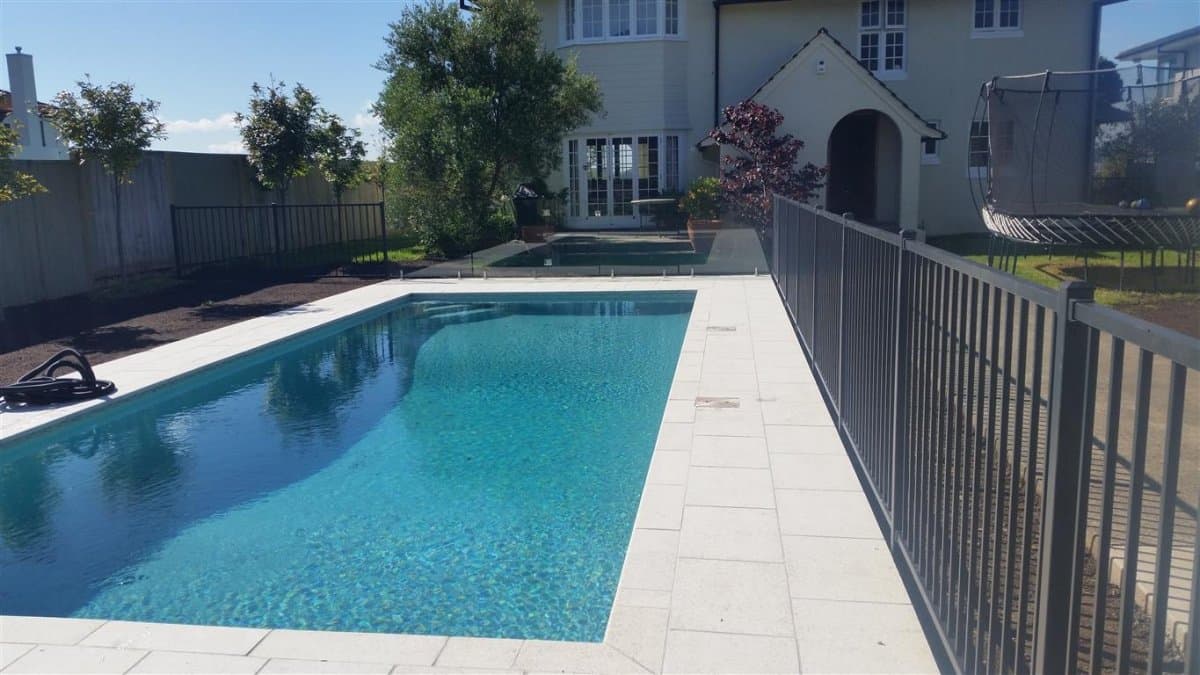
Across established Auckland suburbs—from Remuera, Parnell, and Epsom to Takapuna, St Heliers, and Herne Bay—thousands of residential concrete swimming pools built between the 1980s and early 2010s have reached a critical lifecycle milestone. While a steel-reinforced shotcrete or gunite shell is engineered to last 50+ years, the interior waterproof lining, waterline tiles, coping stones, underground PVC plumbing, and filtration plant operate on a 12-to-25-year renewal cycle.
When an older pool develops rough, chalky plaster, delaminating waterline tiles, high power bills, or outdated fencing, homeowners face an important technical question: does the pool simply need a cosmetic skim, or does it require a comprehensive structural and hydraulic refurbishment?
In this 2026 engineering and cost guide, Pacific Pools founder Tim Brent breaks down everything Auckland property owners need to know about concrete pool repairs and renovations—from diagnosing substrate failure and comparing resurfacing materials to navigating Auckland Council F9 barrier rules and budgeting accurately.
Key Takeaway: A well-engineered concrete pool shell rarely needs to be demolished. Even a tired 30-year-old kidney-shaped or deep-end pool can be structurally reshaped, resurfaced in contemporary pebble or glass mosaic tile, and upgraded with inverter heating for 30% to 50% of the cost of complete demolition and rebuild.
1. Diagnosing Your Existing Concrete Pool Shell: Surface Wear vs. Structural Failure
Before selecting tile samples or plaster colours, a reputable Auckland concrete pool builder must evaluate what is happening beneath the water surface. Applying $25,000 of new plaster or tiles over a compromised substrate or a leaking return line guarantees premature failure.
Delamination & "Drummy" Plaster Over 12 to 18 years of chemical fluctuations—particularly low calcium hardness (<150 ppm) or aggressive acid washes—water slowly migrates through porous plaster and weakens the mechanical bond between the render coat and the structural concrete shell. During our pre-renovation inspection, once the pool is drained (after checking groundwater hydrostatic pressure), we tap-test the entire floor and wall grid with steel sounding hammers. Hollow-sounding ("drummy") zones must be hydro-blasted or diamond-cut back to sound structural shotcrete before a new polymer-modified bond coat is applied.
Structural Cracks vs. Cosmetic Crazing Not all cracks in a concrete pool are equal: - Shrinkage & Plaster Crazing: Fine hairline spiderweb cracks confined to the top 3mm–8mm plaster layer caused by rapid drying or age. These are resolved completely during full plaster stripping and resurfacing. - Structural Shell Cracks: Cracks that run continuously through the concrete shell, up the bond beam, and through the coping stone—common on sloping coastal clays in Kohimarama, Glendowie, and the North Shore, or on volcanic rock transition zones in Mount Eden and Epsom. We remediate structural cracks using low-viscosity structural epoxy injection, cross-stitched stainless steel helical bars (torque-locked across the fracture plane), and elastomeric flexible waterproofing membranes before resurfacing. - Rebar Corrosion ("Concrete Cancer"): If water has penetrated to the reinforcing steel grid, rust expands up to 600% in volume, spalling the surrounding concrete. Our technicians breakout affected concrete behind the steel bar, mechanically clean the rebar, apply zinc-rich anti-corrosion primer, and rebuild the profile with high-build structural repair mortar.
Hydrostatic Relief Valves & Groundwater Management In Auckland's high-water-table suburbs and heavy clay soils, an empty pool acts like a boat hull. If groundwater pressure beneath the floor slab exceeds the weight of the empty shell, the pool can literally "pop" or float out of the ground by 50mm to 300mm—destroying plumbing and cracking the shell. Before draining any pool for renovation, we inspect and replace the main-drain hydrostatic relief valve and, where necessary, drill core pressure-relief ports through the deepest sump to safely bleed sub-slab groundwater throughout the refurbishment.
2. Comparing Concrete Pool Resurfacing Finishes in New Zealand (2026 Matrix)
The interior finish you choose determines your pool's water colour, tactile comfort underfoot, chemical resilience, and decades-long lifecycle cost. Explore our dedicated pool finishes showcase or compare the four primary systems used in Auckland renovations below:
| Finish Type | Expected Lifespan | Typical Cost (8m × 4m Pool) | Surface Texture & Water Aesthetics | Maintenance & Chemical Resilience |
|---|---|---|---|---|
| Smooth Marble Plaster (White or Oxide Tinted) | 10–15 years | $14,000 – $20,000 | Silky-smooth hand-trowelled surface; classic bright resort turquoise or sky-blue water. | Requires balanced pH (7.2–7.6) and Calcium Hardness (200–275 ppm) to prevent etching or scaling. |
| Exposed Natural Pebble & Quartz Aggregate | 15–22+ years | $18,000 – $26,000 | Fine 1mm–3mm rounded NZ river pebble & quartz; organic lagoon blue, steel grey, or emerald hues. | Highly resistant to chemical swings and UV; naturally slip-resistant on steps and Baja ledges. |
| Polished Marble / Glass Bead Aggregate | 18–25 years | $24,000 – $34,000 | Diamond-polished aggregate matrix combining pebble durability with a smooth architectural sheen. | Superior stain resistance and lower porosity than standard plaster; minimal brushing required. |
| Full Glass Mosaic Tiles (Bisazza / Ezarri) | 25–35+ years | $45,000 – $78,000+ | 100% vitrified glass over waterproof membrane with epoxy grout; unmatched jewel-like light refraction. | Impervious to salt, minerals, UV, and acid; virtually zero surface degradation over decades. |
Waterline Tiles: The High-Stress Zone Even if you select marble plaster or exposed pebble for the main pool shell, installing a 150mm to 300mm band of porcelain or glass mosaic waterline tiles is one of the highest-return upgrades in any Auckland pool renovation. The waterline experiences maximum UV radiation, sunscreen oils, atmospheric dust, and wet-dry thermal cycling. A vitrified glass waterline prevents unsightly bathtub rings and stops plaster drying out when water levels drop in mid-summer.
Coping Stones & Surround Transitions Replacing dated 1990s bullnose brick or cracked concrete coping immediately modernizes a pool's architectural profile. We install drop-face (rebated) or square-edge coping in: - Honed Silver or Ivory Travertine: Stays cool underfoot in 28°C January sun while offering natural wet-slip resistance (P4/P5 rating). - Flamed Basalt & Bush-Hammered Granite: Ideal for contemporary architectural homes in Herne Bay, Westmere, and Orakei seeking crisp charcoal or mid-grey lines. - 20mm External Structural Porcelain: Non-porous, stain-proof, and engineered to match indoor-outdoor living room floor tiles for seamless indoor-outdoor flow.
3. Structural Re-Engineering: Transforming How Your Family Uses the Pool
Many older Auckland pools were built with 2.0-metre to 2.4-metre diving depths, narrow corner steps, and zero lounging zones—leaving 70% of the water volume too deep for standing, relaxing, or supervising young children. Because concrete is structural, a renovation is the ideal moment to re-engineer the internal geometry:
- Shallow-Out & Deep-End Reduction: Backfilling an excessive 2.2m deep end with compacted GAP20 hardfill or low-density cellular concrete and pouring a new reinforced steel-tied floor slab at a comfortable 1.4m–1.6m standing depth. This cuts total water volume by 15% to 25%, permanently reducing heating and chemical costs every month.
- Baja Tanning Ledges & Full-Width Entry Steps: Constructing a 200mm–300mm deep submerged sun shelf across the shallow end—complete with integrated umbrella sleeves and wide architectural bench seating that doubles as a swim-out safety ledge.
- Integrated Spillway Spas & Plunge Zones: Adding an elevated or flush-level heated hydrotherapy spa that cascades into the main pool, or converting an oversized, high-maintenance pool into a streamlined architectural lap pool or heated courtyard plunge pool.
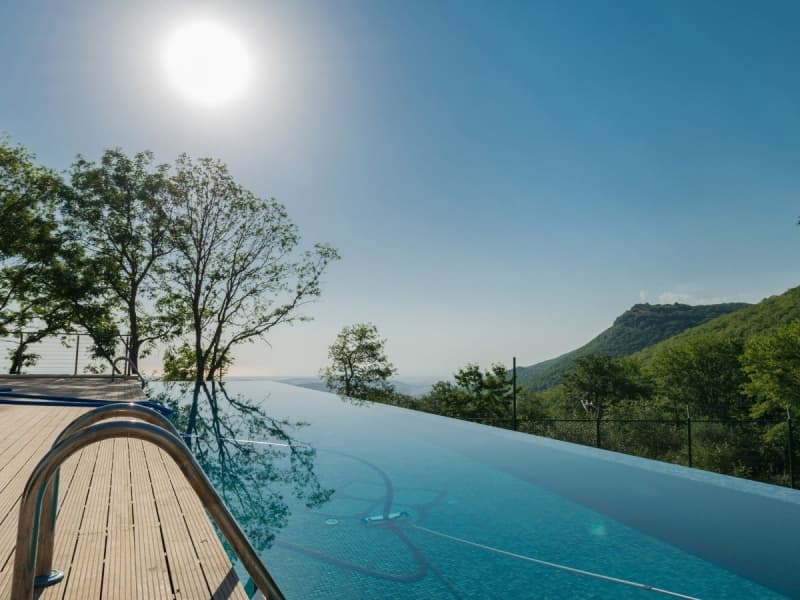
- Vanishing Edge & Weir Conversions: On sloping coastal or ridge-line properties, we can re-engineer the outer bond beam into a dramatic infinity edge catch-tank system that frames views of the Waitematā Harbour or Hauraki Gulf.
4. Hydraulic, Heating & Sanitation Modernisation
Renovating the shell while leaving 20-year-old single-speed pumps and brittle PVC pipework untouched is a false economy. Before new coping or paving is laid, we pressure-test all suction (skimmer and main drain) and return lines to 150 kPa.
Equipment Upgrades That Pay for Themself - Variable-Speed Eco Pumps: Replacing an old 1.5 HP single-speed pump with a programmable variable-speed pump slashes filtration power consumption by 65% to 75% (saving $800–$1,200 annually on Auckland power rates) while running whisper-quiet at 42 dBA. - Full-Inverter Air-Source Heat Pumps: Modern R32 inverter heat pumps deliver a Coefficient of Performance (COP) of 8 to 14—meaning 1 kW of electrical input generates up to 14 kW of heat. Paired with a hidden solar or slatted cover, this extends your Auckland swimming season from late September through May. - Magnesium & Mineral Sanitation: Upgrading from manual chlorine dosing or harsh first-generation salt chlorinators to automated magnesium/mineral freshwater sanitation eliminates chlorine odour, soothes sensitive skin and eyes, and protects your new plaster or grout from aggressive chemical corrosion. - Flush-Mount Multi-Spectrum LED Nicheless Lights: Old halogen underwater lights consume 300W each and frequently leak through perished rubber cord seals. We retrofit 18W–35W low-voltage LED flush lights that use 90% less energy and integrate with smartphone automation.
Explore our full range of pool filtration systems, heat pumps, and automation accessories.
5. Auckland Council Compliance: Schedule 1 Exemptions vs. F9 Pool Barrier Rules
Navigating regulatory compliance is a critical component of any Auckland pool refurbishment:
When Is a Renovation Exempt from Building Consent? Under Schedule 1 of the New Zealand Building Act 2004, routine maintenance and comparable component replacement—including stripping and replastering a concrete shell, retiling, replacing coping stones, and upgrading filtration or heating equipment—do not require a Building Consent, provided the structural integrity and footprint of the pool shell remain unchanged.
Mandatory Building Code Clause F9 (NZS 8500:2006) Pool Barrier Audits Regardless of when your pool was built, Auckland Council conducts mandatory triennial (every 3 years) pool barrier inspections under Building Code Clause F9 (Means of Restricting Access to Residential Pools). When renovating an older pool, we routinely upgrade non-compliant barriers so your property passes inspection unconditionally: - Minimum 1,200mm Barrier Height: Measured from the finished ground level on the outside of the pool enclosure. Remember that laying new 20mm–40mm coping stones or timber decking outside the fence can reduce your effective fence height below 1,200mm if not planned carefully. - 1,200mm Non-Climbable Zone (NCZ): Removing climbable horizontal rails, boundary trellises, pots, BBQ benches, or trees within the 1,200mm arc on the outside of the pool fence. - Frameless Toughened Glass Fencing & Self-Closing Gates: Upgrading dated aluminium tubular fencing to 12mm toughened safety glass on marine-grade 2205 duplex stainless steel spigots or concealed structural channels, fitted with hydraulic self-closing, self-latching gates that swing away from the pool area.
6. 2026 Auckland Concrete Pool Renovation Cost Breakdown by Tier
Every existing pool has a unique history, access profile, and structural condition, which is why we always perform an on-site engineering assessment through our pool design and consultation service. However, the table below outlines realistic 2026 Auckland price brackets for a standard residential concrete pool (approx. 8m × 4m to 9m × 4.5m):
| Renovation Tier | Scope of Works Included | Typical Timeline | 2026 Auckland Investment (NZD incl. GST) |
|---|---|---|---|
| Tier 1: Essential Resurfacing Refresh | Safe drain & hydrostatic relief, high-pressure water blast, localized drummy plaster breakout, polymer bond coat, new white or tinted smooth marble plaster, main drain/eyeball fitting replacement, refill & chemical balance. | 2 – 3 Weeks | $14,000 – $22,000 |
| Tier 2: Mid-Range Aesthetic & Coping Upgrade | Full plaster preparation, exposed NZ pebble or quartz aggregate interior finish, new 200mm glass mosaic waterline tile band, new natural stone (travertine/granite) coping stones, LED light retrofit, and variable-speed eco pump upgrade. | 3 – 5 Weeks | $26,000 – $45,000 |
| Tier 3: Comprehensive Structural & Lifestyle Transformation | Structural shell modifications (adding Baja lounging shelf, new full-width steps, or shallowing deep end), full Bisazza/Ezarri glass mosaic interior OR polished aggregate, new coping & surround paving, full-inverter heat pump + mineral automation, and F9 frameless glass barrier upgrade. | 6 – 10 Weeks | $55,000 – $110,000+ |
7. Our 6-Step Concrete Pool Renovation Process in Auckland
When you partner with Pacific Pools, your renovation is managed by our in-house structural, plastering, and tiling specialists—never handed off to unvetted casual subcontractors:
- On-Site Structural & Hydraulic Assessment: Tim Brent inspects your shell, coping, equipment room, site access, and F9 barrier compliance, providing a transparent, itemised renovation scope.
- Dewatering & Acoustic Shell Sounding: We safely manage sub-slab groundwater, drain the pool, pressure-test underground plumbing lines, and acoustic-map the entire concrete shell.
- Hydro-Blasting, Breakout & Structural Remediation: Delaminated plaster and old tiles are stripped; structural cracks are epoxy-injected and stitched; new concrete steps or Baja ledges are doweled and formed.
- Waterproofing, Coping & Waterline Tiling: Engineered cementitious waterproofing membranes are applied where required, followed by precision installation of natural stone coping and UV-stable glass mosaic tiles.
- Artisanal Plaster, Pebble, or Full Tile Application: Our master plasterers and tilers hand-apply your chosen marble plaster, exposed pebble/quartz matrix, or full glass mosaic interior with epoxy grout.
- Acid Wash, Commissioning & Handover: After controlled curing, we acid-wash or polish the finish, fill the pool, commission new filtration/heating equipment, balance water chemistry, and provide a full maintenance handover.
Ready to Transform Your Existing Concrete Pool?
Whether your pool in Remuera, Takapuna, Ponsonby, St Heliers, or Epsom needs a straightforward marble plaster resurface or a complete architectural reinvention with a Baja shelf, glass mosaic tiles, and inverter heating, Pacific Pools brings 25+ years of NZ Master Pool Builders Guild craftsmanship to every project.
Explore our concrete pool repairs and renovations page, browse our completed project portfolio, or contact Pacific Pools today to book a no-obligation on-site renovation assessment with Tim Brent.