One of the most common questions we get from Auckland homeowners is whether to choose a concrete pool or a fibreglass pool. It is a significant decision that affects everything from upfront cost and construction timeline to long-term maintenance and design flexibility. Both options have their strengths, and the right choice depends on your property, budget, lifestyle and aesthetic preferences.
This comprehensive guide breaks down the key differences between concrete and fibreglass pools to help you make an informed decision for your Auckland home.
What Is a Concrete Pool?
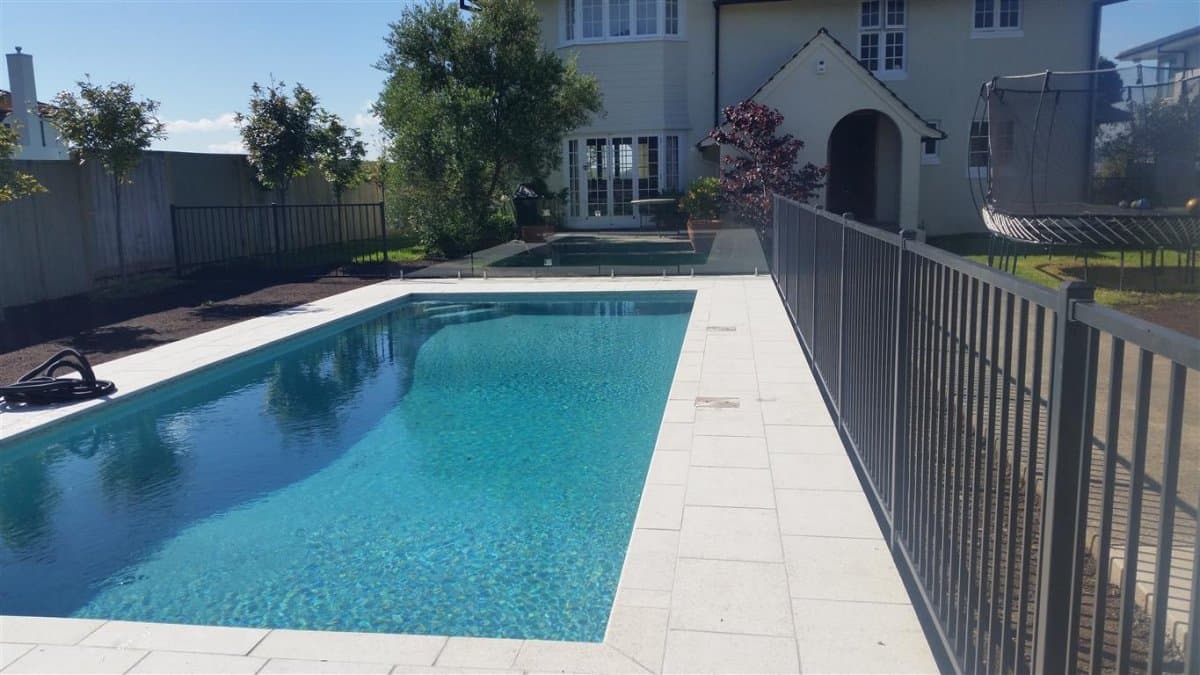
A concrete pool is built on-site by constructing a steel-reinforced shell that is sprayed with concrete (shotcrete or gunite), then plastered with a waterproof interior finish. The result is a fully customisable pool that can be any shape, size or depth.
Concrete pools have been the gold standard for luxury pools worldwide for decades. At Pacific Pools, we specialise in concrete construction because it offers unmatched design flexibility and longevity. Every pool we build is unique, tailored to the specific site conditions and the homeowner's vision.
The construction process involves excavation, steel reinforcement, concrete spraying, curing, surface application and finishing. The entire process typically takes 8 to 14 weeks, depending on complexity, weather and council consent timelines.
What Is a Fibreglass Pool?
A fibreglass pool is manufactured in a factory as a single-piece shell, transported to your property and lowered into a prepared excavation. The shell is pre-finished with a gel coat surface, so once it is placed and connected, the pool is essentially ready to fill.
Fibreglass pools come in a range of pre-designed shapes and sizes. While there is some flexibility in terms of colour and optional features, you are choosing from existing moulds rather than creating a custom design.
Installation is faster than concrete, typically taking 2 to 4 weeks from excavation to filling. The shell arrives ready-made, so most of the work is site preparation, plumbing and finishing the surrounding area.
Design Flexibility
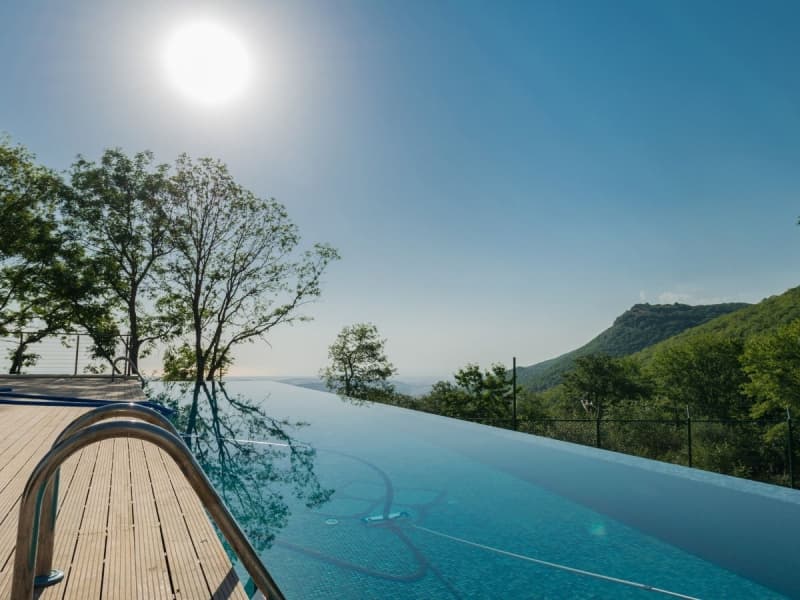
Design flexibility is where concrete pools truly shine. Because the pool is built on-site, it can be any shape you can imagine. Curved, geometric, freeform, L-shaped, infinity edge, lap pool, plunge pool, the possibilities are endless.
Concrete pools can also incorporate features that are difficult or impossible with fibreglass. These include infinity edges, beach entries, integrated spas, custom steps and seating, underwater lighting niches, water features and variable depth zones. If you have a specific vision for your pool, concrete is the only way to achieve it fully.
Fibreglass pools are limited to the shapes and sizes offered by the manufacturer. While there are many options available, you cannot create a truly custom design. If your property has an unusual shape or you want a pool that fits precisely into a specific space, fibreglass may not offer the right solution.
For Auckland properties with challenging sites, such as steep slopes, narrow access or irregular sections, concrete is often the better choice. The pool can be designed to work with the terrain rather than forcing a pre-made shell to fit.
Cost Comparison
Cost is a major factor for most homeowners, and the comparison between concrete and fibreglass is nuanced.
Fibreglass pools generally have a lower upfront cost. A standard fibreglass pool installation in Auckland typically ranges from $35,000 to $55,000, including the shell, installation, basic plumbing and standard fencing. The price increases with larger sizes, premium colours and additional features.
Concrete pools have a higher starting cost, typically from $55,000 to $80,000 for a standard design, with luxury or complex designs ranging from $80,000 to $150,000 or more. The cost varies widely because every concrete pool is custom-built.
However, the total cost of ownership over the life of the pool tells a different story. Concrete pools require more frequent resurfacing (every 10-15 years) compared to fibreglass gel coat refinishing (rarely needed). But concrete pools also tend to add more value to the property, particularly in premium Auckland suburbs where custom pools are expected.
When comparing costs, consider not just the initial price but the long-term value. A concrete pool is a permanent structure that can last 50+ years with proper maintenance. Fibreglass shells typically have a lifespan of 25-30 years before the gel coat degrades significantly.
Durability and Longevity
Both pool types are durable, but in different ways.
Concrete pools are incredibly strong. The reinforced concrete shell can withstand ground movement, tree roots and hydrostatic pressure. In Auckland's clay soils, which can expand and contract with moisture changes, concrete's flexibility and strength are significant advantages. A well-built concrete pool can last for generations.
The interior finish of a concrete pool (marble plaster, pebble, glass tile) will need refurbishment every 10-15 years, but the shell itself is permanent. This means the major investment, the structure, does not need to be replaced.
Fibreglass pools are also durable but in a different way. The gel coat surface is resistant to staining and algae growth, and the flexible nature of fibreglass allows it to flex slightly with ground movement. However, fibreglass shells can develop osmotic blistering over time, particularly if the water chemistry is not properly maintained.
In Auckland's climate, both materials perform well. The key difference is that concrete pools can be repaired and resurfaced indefinitely, while fibreglass shells eventually need complete replacement.
Maintenance Requirements
Maintenance is where fibreglass pools have a clear advantage. The smooth, non-porous gel coat surface resists algae growth and is easy to clean. Fibreglass pools typically require less chemical balancing because the surface does not affect water chemistry.
Concrete pool surfaces, particularly plaster finishes, are more porous and can harbour algae if not properly maintained. They also affect water chemistry, as plaster can raise the pH of the pool water, requiring more frequent acid adjustment.
However, modern concrete pool finishes like pebble and glass tile have significantly improved maintenance characteristics compared to traditional plaster. These surfaces are more resistant to staining and algae, narrowing the maintenance gap.
For Auckland pool owners, the maintenance difference is manageable. With a good filtration system, automatic pool cleaner and regular testing, both pool types can be maintained with about 30 minutes of work per week during summer.
Saltwater Compatibility
Saltwater chlorination is popular in Auckland pools because it provides softer, more comfortable water. Both concrete and fibreglass pools are compatible with saltwater systems, but there are differences.
Concrete pools with plaster finishes can be affected by saltwater over time. Salt can accelerate the degradation of plaster surfaces, requiring more frequent resurfacing. However, pebble and tile finishes are highly resistant to saltwater damage.
Fibreglass pools are fully compatible with saltwater systems. The gel coat surface is unaffected by salt, making fibreglass an excellent choice for homeowners who want a saltwater pool with minimal surface maintenance.
Temperature Considerations
Auckland's climate means pool water temperatures fluctuate throughout the year. The material of your pool can affect how quickly water heats up and retains warmth.
Fibreglass pools have slight insulating properties due to the fibreglass material, which can help retain heat. Concrete pools, being dense and conductive, can lose heat more quickly through the shell. However, this difference is relatively minor and can be offset with a quality pool cover, which is recommended for both types.
If you plan to heat your pool with a heat pump or solar heating, both materials work equally well. The choice of heating system and use of a pool cover will have a much greater impact on heating efficiency than the pool material.
Which Is Right for You?
Choose concrete if you want a custom design, have a challenging site, plan to stay in your home long-term, want features like infinity edges or integrated spas, or are building in a premium suburb where a custom pool adds property value.
Choose fibreglass if you want a faster installation, lower upfront cost, simpler maintenance, a standard shape that suits your property, or you are working with a tighter budget.
Both options can create a beautiful, functional pool that enhances your Auckland property. The right choice depends on your specific circumstances, priorities and vision for your outdoor space.
At Pacific Pools, we specialise in concrete pool construction because we believe it offers the best long-term value, design flexibility and quality. However, we are happy to discuss your needs honestly and recommend the best option for your situation, even if that means fibreglass is the better fit for your project.